

01
POI
Castle of Puebla de Sanabria
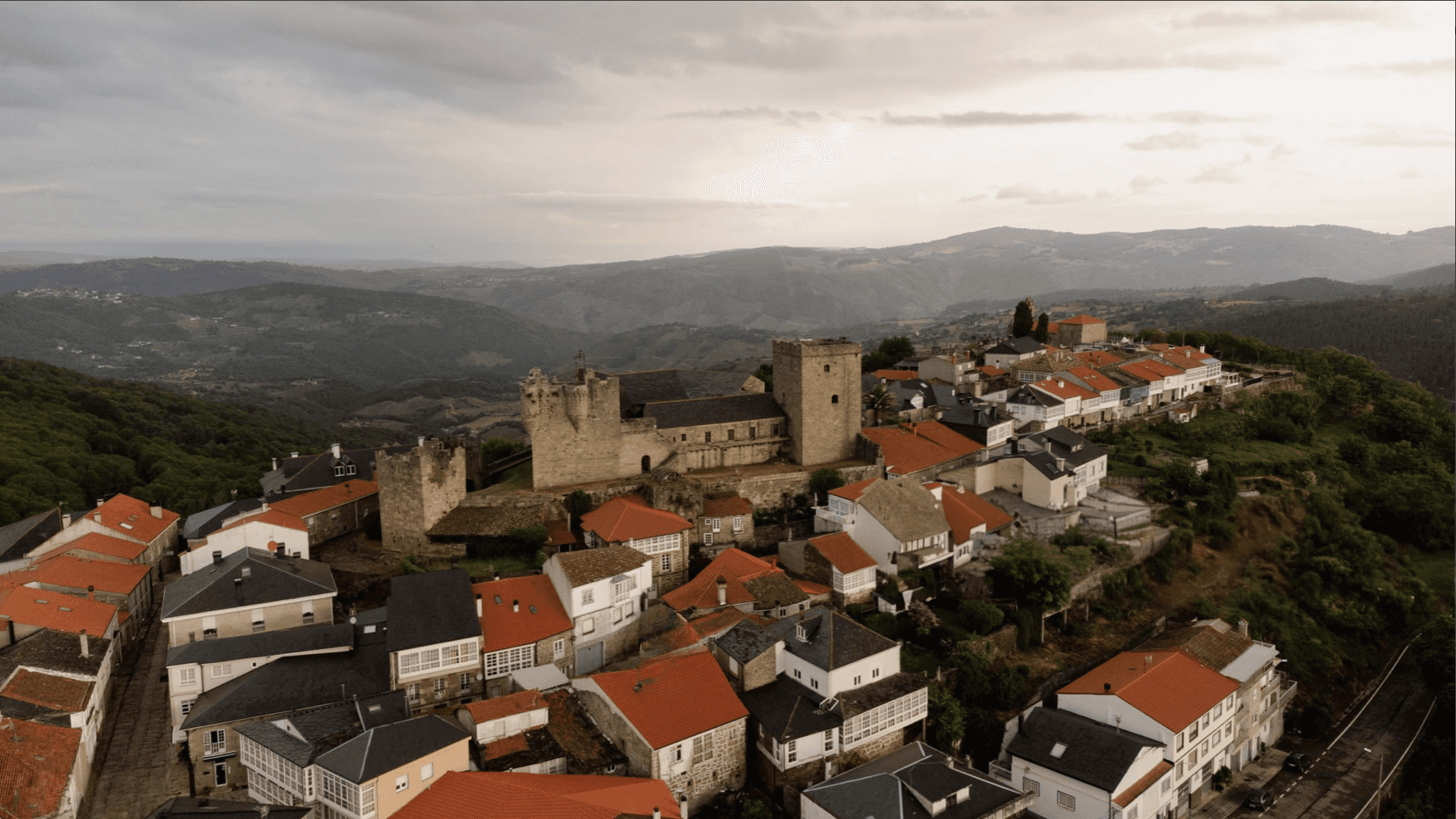
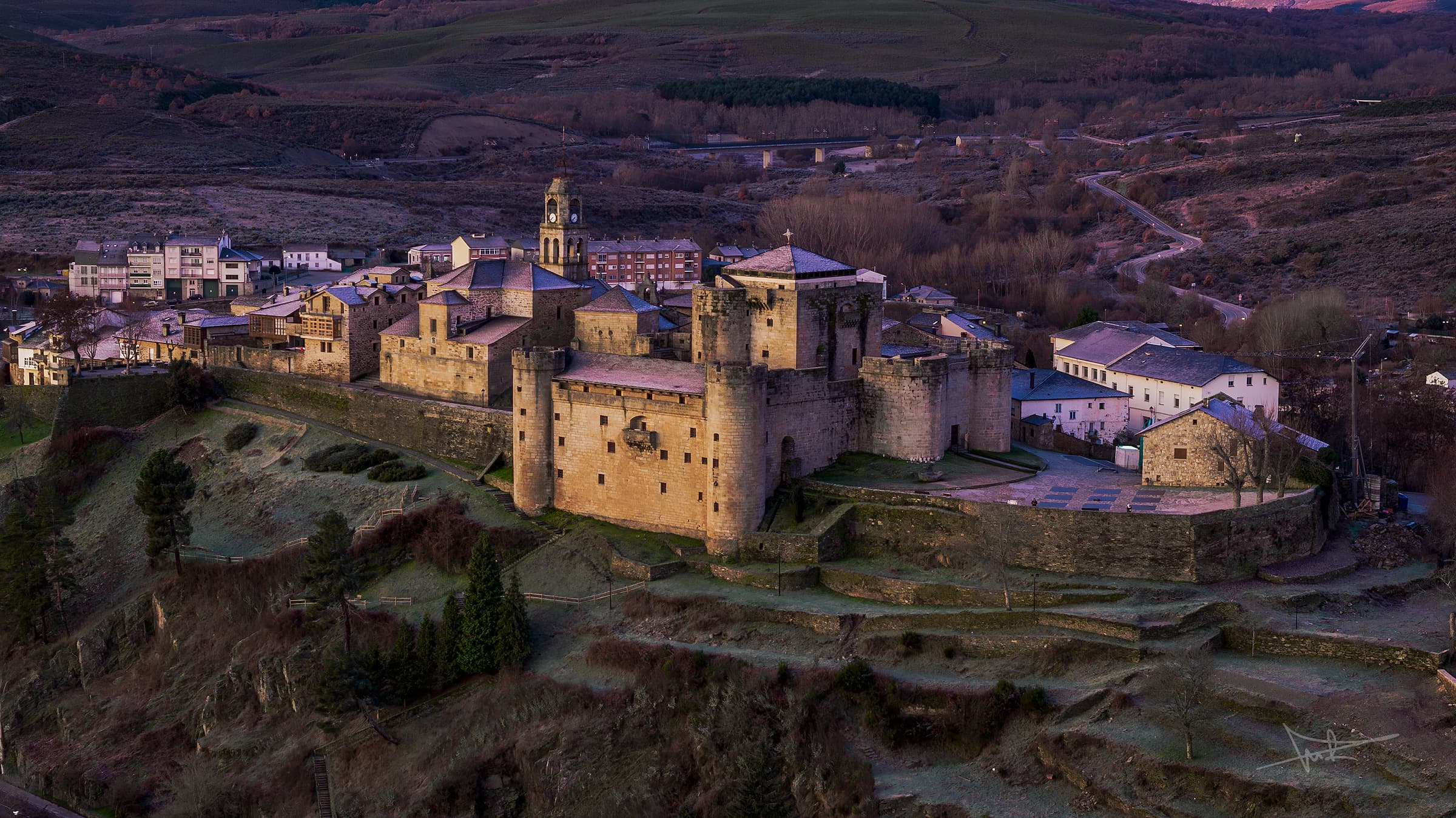
Built on the ruins of a watchtower from the XII century, the Castle of Puebla de Sanabria was completed at the end of th
 ZamoraCastilla y León
Ideal time to visit. Little tourist affluence foreseen.
Castle / Fortress
monumental · S. XV · Open to visitors
Castle of the Counts
Walled precinct
parcial · MEDIEVAL
walled enclosures
Keep tower
ruinas · S. XV-XVI
Defensive tower
ruinas · S. XV-XVI
Notable church
romanica · S. XII · Open to visitors
Our Lady of the Azogue
Notable hermitage
neoclasica · S. XVIII · Open to visitors
San Cayetano
Remarkable main square
Elizabethan town hall
Historic arcaded streets
Plaza Mayor
Romanesque gem
S. XII · Open to visitors
Nuestra Señora del Azogue Church
National Historic Site
medieval village
Scenic viewpoint
walls and viewpoint
By a lake or reservoir
Nearby ski slopes
San Isidro near
Festival of regional tourist interest
Stone village
otro
sanabresa stone and slate
Movie village (film locations)
×2
Maribel and the Strange Family (1960) - film - Romance de Puebla de Sanabria (1938) - documentary
On the Camino de Santiago
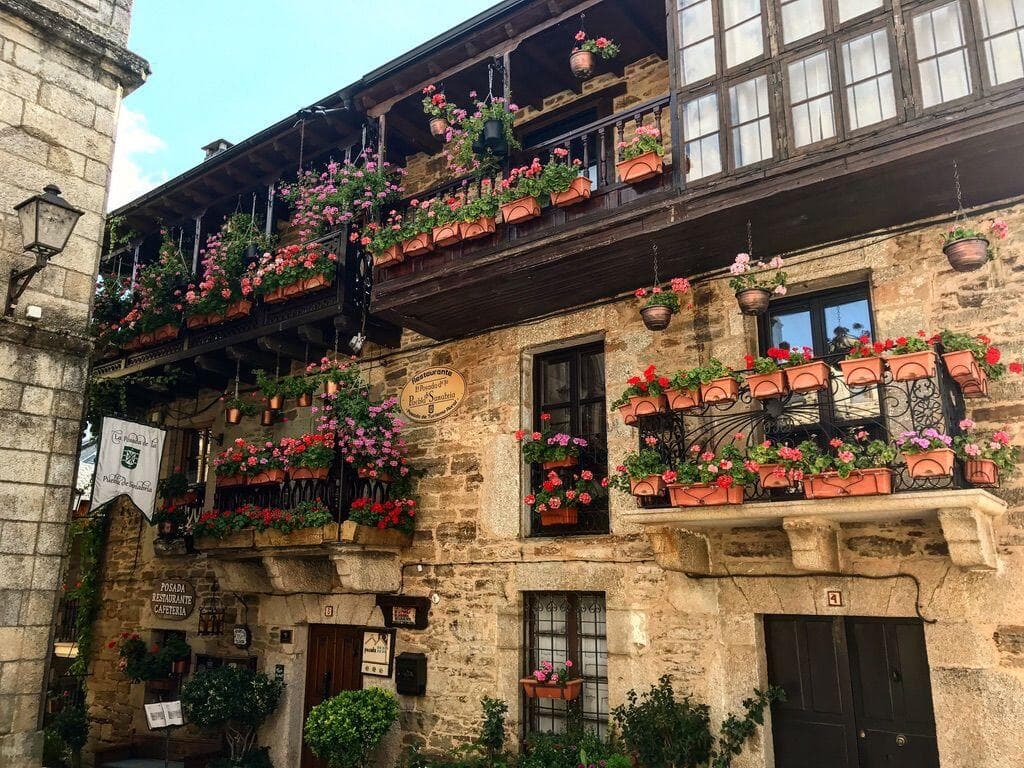
Flower-covered balconies
Restaurants, lodging and local shops in Puebla de Sanabria.
Starting at €4.99/monthPuebla de Sanabria has more for members
Exclusive map, AI-powered guide, and perks in the network's towns.
Starting at €4.99/month. Cancel anytime.
Puebla de Sanabria, a medieval jewel surrounded by two rich natural enclaves: Lake Sanabria and Sierra de la Culebra.
We are in Puebla de Sanabria, a town declared a Historic-Artistic Site for the uniqueness of its monuments as well as for its well-kept civil architecture protected by walled enclosures.
Its main monument is its castle dating from the last quarter of the fifteenth century, a stately fortress with military uses. Its condition is exceptional, positioning itself at present as a tourist bastion of the region and destined to cultural and museum center.
The Parish Church of Nuestra Señora del Azogue, with its Romanesque façades, and the neoclassical style Chapel of San Cayetano, as well as the
…Built on the ruins of a watchtower from the XII century, the Castle of Puebla de Sanabria was completed at the end of th

It is the Parish Church of the Villa, located in the Plaza Mayor. With two Romanesque doorways of the XII century, we ca

Plaza Mayor presided over by the Town Hall with a remarkable Elizabethan façade. Center of the town, surrounded by tradi

Neoclassical style chapel of the eighteenth century that is part of the religious heritage of Puebla de Sanabria. It is

Located in the populous neighborhood of the Villa from which it takes its name, it is a well-preserved old building. As

The walled complex of Puebla de Sanabria consisted of three enclosures that protected the most outstanding and important
Routes, experiences and activities to discover the village.
Hiking, landscapes and natural areas
Monuments, museums and historical heritage
Properties of cultural interest and historic architecture
Spaces and activities to go with your pet
Restaurants, local products and culinary tradition
Puebla de Sanabria is located in Zamora, Castilla y León.
Where to stay overnight and refuel services with your motorhome in Puebla de Sanabria.
48 seats · Pets allowed · Managed by Tripstop / Puebla de Sanabria City Council
Area services
Opened in October 2023: 48 spaces, including emptying and filling (~€5/24 h). Electricity available (check availability). River walk along the Tera to the castle (~15–20 min). Supermarkets ~300 m away; river beach and playground in the sports area.
Puntos de recarga para vehículos eléctricos
Datos: OpenChargeMap (CC BY 4.0)
Find out more