

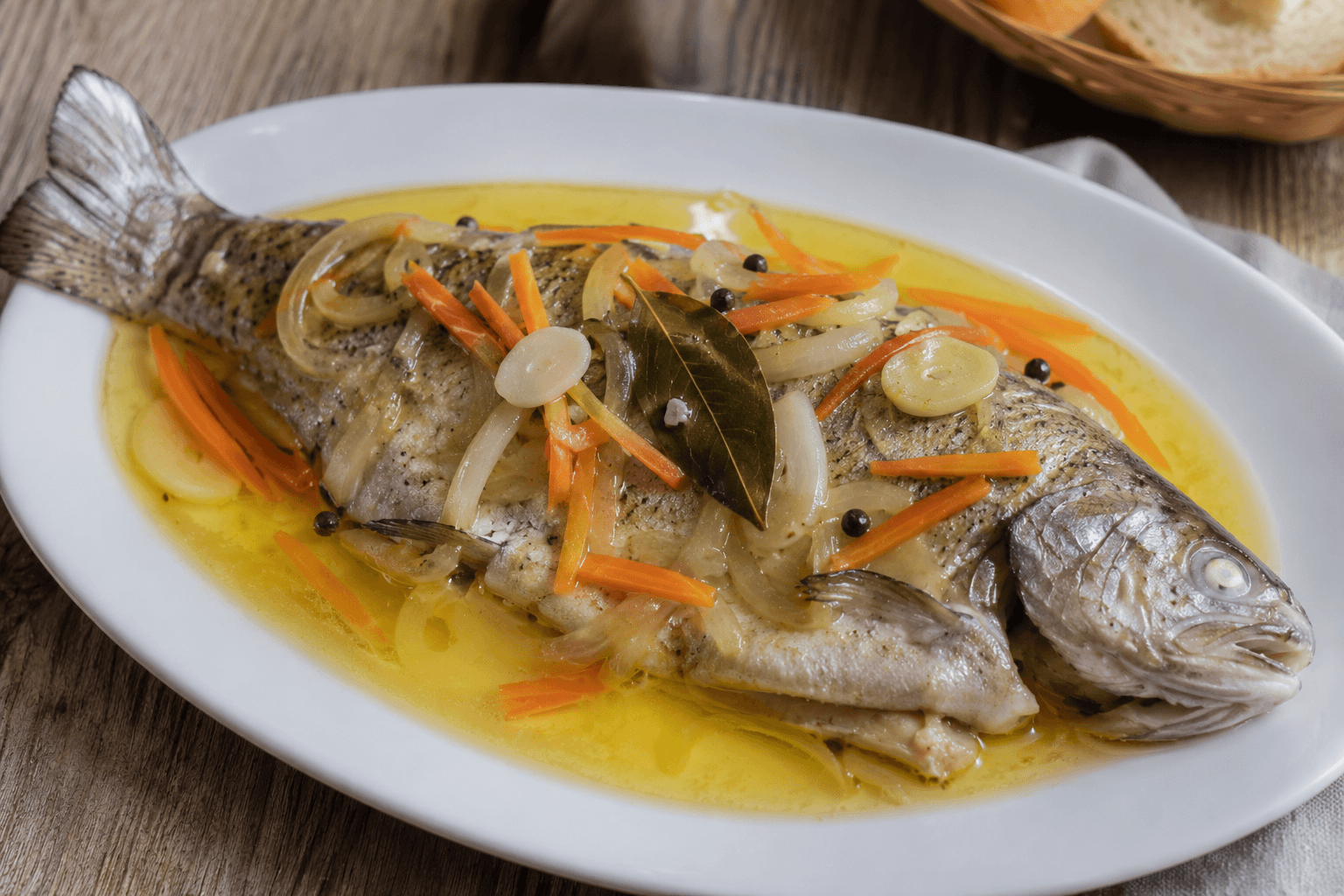
Marinated Trout from Ansó
In the heart of the Aragonese Pyrenees, surrounded by mountains, forests, and crystal-clear rivers, Ansó preserves a culinary tradition deeply rooted in its natural environment. Among the dishes that best represent this

Pyrenean freshness in one of the most traditional recipes of the Aragonese summer
In the heart of the Aragonese Pyrenees, surrounded by mountains, forests, and crystal-clear rivers, Ansó preserves a culinary tradition deeply rooted in its natural environment. Among the recipes that best represent this connection to the region, marinated trout stands out—a traditional dish that has been a staple of daily life in the town for generations and is best enjoyed during the warmest months of the year.
Refreshing, flavorful, and perfect for serving cold or at room temperature, marinated trout is one of those dishes that reflect the wisdom of traditional mountain cuisine. Its origins are linked to the preservation techniques developed by rural communities to make the most of the resources of the Pyrenean rivers and ensure food availability for longer periods.
A recipe born among rivers and mountains
The culinary history of Ansó cannot be understood without its close connection to water. The rivers that flow through the valley have historically provided high-quality fish, especially trout, which for centuries were a staple of many families’ diets.
Before the advent of modern refrigeration systems, pickling became an essential technique for preserving food. Made with vinegar, oil, and spices, this method extended the shelf life of the fish and developed complex flavors that are still highly prized today.
In Ansó, pickled trout has transcended its original purpose to become a true culinary specialty, particularly prized during the summer for its freshness and lightness.
Gastronomic Context
Ansó cuisine is characterized by its use of the valley’s natural resources and a culinary tradition based on locally sourced products. Mountain meats, artisanal cheeses, legumes, and river-caught fish are all part of a cuisine that is simple yet full of character.
Marinated trout holds a special place within this traditional repertoire of recipes, as it combines the region’s abundant fish stocks with one of the most representative preservation techniques in Spanish cuisine.
Furthermore, the fact that it can be served cold makes it a particularly popular choice during the summer months, when visitors stroll through the streets of Ansó and enjoy the valley’s natural beauty.
Common Ingredients
The traditional ingredients for this recipe are:
Fresh trout
Extra virgin olive oil
Wine vinegar
Garlic
Bay leaf
Peppercorns
Salt
Onion
Carrot
Some family recipes include thyme, rosemary, or other aromatic mountain herbs to add additional nuances to the marinade.
Traditional preparation
The trout is carefully cleaned and lightly cooked before being added to the marinade.
Meanwhile, an aromatic base is prepared with olive oil, garlic, onion, and carrot. Vinegar, bay leaf, pepper, and spices are then added, allowing all the ingredients to blend slowly.
The trout is placed in this mixture and left to marinate for several hours, or even several days, so that it absorbs all the aromas and flavors of the marinade.
The result is a juicy, delicate fish full of nuanced flavors that can be served cold alongside vegetables, salads, or artisanal bread.
Local or Regional Significance
Marinated trout perfectly embodies the historical relationship between Ansó and its natural surroundings. Each ingredient speaks to the Pyrenean landscape: the rivers that provide the fish, the aromatic mountain herbs, and a culinary tradition rooted in respect for the product.
Beyond its gastronomic value, this recipe stands as a testament to the valley’s traditional ways of life and the ability of its inhabitants to adapt to the conditions of a mountainous region.
Today, it remains one of the dishes that best connects visitors with the cultural and gastronomic identity of Ansó.