

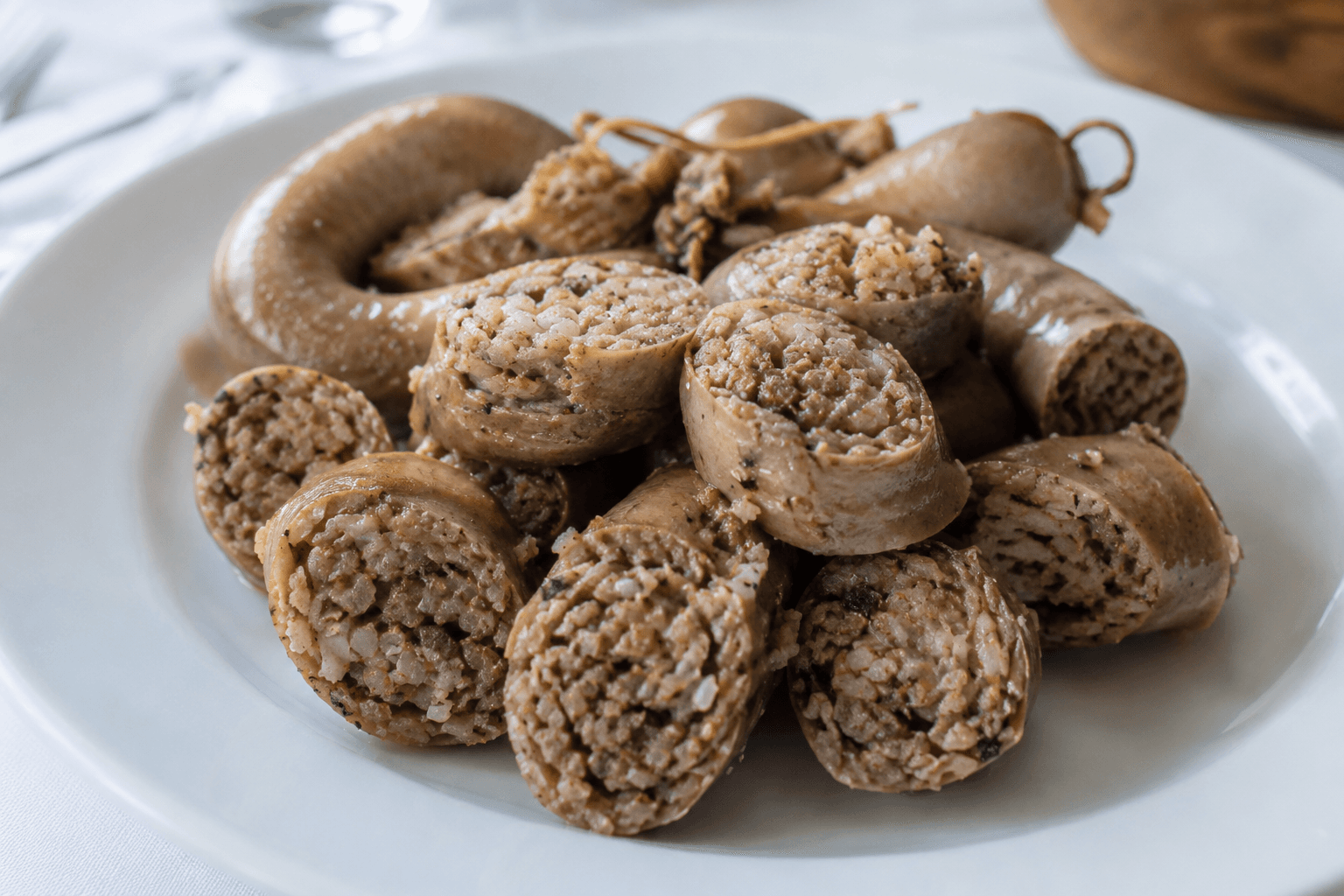
Alquézar's Chiretas
In Alquézar, one of the most beautiful villages in the Aragonese Somontano region, gastronomy is an essential part of its cultural identity. Beyond its impressive medieval heritage, its cobblestone streets, and the spect

An ancient recipe linked to the pastoral culture of the Somontano
In Alquézar, one of the most beautiful villages in the Somontano region of Aragon, gastronomy is an essential part of its cultural identity. Beyond its impressive medieval heritage, cobblestone streets, and the spectacular natural surroundings, the town preserves a rich culinary tradition inherited from centuries of life tied to the mountains, livestock farming, and the use of local resources.
Among the most iconic recipes of this tradition are the chiretas, a unique dish that perfectly represents the traditional cuisine of Upper Aragon. This recipe has been passed down from generation to generation and has managed to stay alive to this day, becoming one of the great gastronomic symbols of the province of Huesca.
Chiretas originated in domestic and pastoral settings, at a time when making full use of food was a daily necessity. The culinary wisdom of Aragonese families made it possible to transform simple ingredients into a flavorful dish that makes the most of the resources provided by lamb, a central animal in the traditional economy of this region.
Culinary Context
The cuisine of Alquézar is deeply influenced by the livestock and pastoral traditions that have characterized the Aragonese Pyrenees and Pre-Pyrenees for centuries. Recipes born in this environment stand out for their authenticity, the prominence of local products, and a cooking style where functionality and flavor go hand in hand.
Chiretas are part of this culinary heritage and are still prepared today for family gatherings, local festivals, and traditional celebrations. Their presence in Aragonese cuisine is so significant that many consider them one of the most representative dishes of Huesca’s culinary tradition.
Despite their humble origins, chiretas have transcended the domestic sphere to become a dish appreciated both by the region’s residents and by those who visit the area in search of authentic culinary experiences.
Common Ingredients
The traditional recipe is made with simple ingredients that are highly representative of Aragonese pastoral cuisine:
Rice
Ground lamb
Garlic
Fresh parsley
Salt and spices
Carefully cleaned lamb tripe
Some family variations may include slight differences in the spice blend or the proportions of the ingredients, although the essence of the dish remains unchanged.
Traditional Preparation
Preparing chiretas requires patience and knowledge of a technique passed down through generations.
First, the lamb is finely minced and mixed with rice, garlic, parsley, and various spices. This mixture forms the stuffing that gives the dish its distinctive character.
Next, the lamb intestines—which have been cleaned and prepared beforehand—are stuffed by hand with the mixture, taking care to ensure they maintain the proper consistency during cooking.
Once sealed, the chiretas are simmered slowly for several hours. This process allows the rice to absorb the meat juices and all the ingredients to blend together, resulting in a tender, juicy, and very aromatic texture.
They are traditionally served hot and can be accompanied by other typical dishes from the Alto Aragon region.
Local or Regional Significance
Chiretas represent much more than a traditional recipe. They are a direct reflection of the history, economy, and culture of Alquézar and the entire Pyrenean region.
Their preparation is closely linked to the livestock industry that for centuries sustained life in these mountains. Furthermore, they exemplify an approach to cooking based on respect for the ingredients, the efficient use of resources, and the passing down of culinary knowledge from one generation to the next.
<